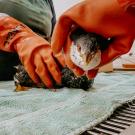
Western snowy plovers, listed as federally threatened under the Endangered Species Act and considered a “species of special concern” in California, were some of the animals rescued by OWCN wildlife responders during the Orange County oil spill.
In the early 2000s, a fungus infected hundreds of animals and people in British Columbia and Washington State. Scientists found that the disease also killed porpoises and dolphins in the Salish Sea – perhaps affecting cetaceans even earlier than people.
Responders with the UC Davis Oiled Wildlife Care Network, a program managed by UC Davis, continue to provide veterinary care for animals impacted by the Orange County oil spill.
Californians who raise chickens and game fowl are invited to participate in a study to help the University of California more effectively deliver poultry health information and prevent the spread of diseases such as avian influenza.
The Indian wolf could be far more endangered than previously recognized, according to a study from the University of California, Davis, and the scientists who sequenced the Indian wolf’s genome for the first time.
Rhesus macaques naturally exposed to wildfire smoke early in pregnancy had an increased rate of miscarriage, according to new research from the California National Primate Research Center at UC Davis.
Since 2011, Cate Quinn, a post-doctoral researcher in UC Davis’ Mammalian Ecology and Conservation Unit within the school, has been studying the fox by collecting its scat (the term preferred over poop, at least in the science world).
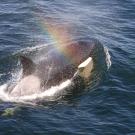
A new podcast series, Pod of Orcas: Saving Southern Resident Killer Whales, aims to bring attention to the plight of the remaining 75 southern resident killer whales in the wild.
SpillOver, a new web application developed by UC Davis scientists, and contributed to by experts from all over the world, ranks the risk of wildlife-to-human spillover for newly discovered viruses.