The UC Davis veterinary hospital announces the opening of the new small animal Sports Medicine and Rehabilitation Service. This service replaces the Integrative Medicine Service, offering a full range of care options for dogs and cats suffering from mobility issues.
Foundations and corporate organizations have played an essential role in UC Davis’ Expect Greater campaign, contributing $1,173,263,484 through research exchange and donations.
One such partnership between UC Davis and Mars spans nearly 50 years of history, with wide ranging collaborations driving significant advancements across the food, health and agriculture sectors.
A recent clinical trial conducted by the UC Davis School of Veterinary Medicine has shown that famciclovir, an antiviral used to treat feline herpes, hastens recovery in kittens with infectious upper respiratory disease (IURD). The results of the research, published today in the Journal of Feline Medicine and Surgery, also indicated that the drug may also reduce corneal disease in some of these kittens.
For the first time in more than a decade, the UC Davis chapter of the Student American Veterinary Medical Association (SAVMA) is bringing the SAVMA Symposium back to campus. Last held at UC Davis in 2011, this 3-day event is hosted annually at alternating veterinary schools and is open to all SAVMA members. The national conference is the only one of its kind, organized by veterinary students for veterinary students.
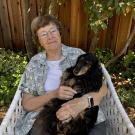
Dr. Harriet Benson, a lifelong enthusiast of the Dachshund breed, has had nine of these lovable dogs over the years, including 14-year-old Bandit and 11-year-old Buster.
Equine and livestock specialists at the UC Davis veterinary hospital’s Large Animal Clinic constantly seek to optimize standard of care. With advancements in research, collaborative treatments, and innovative procedures, they continue to raise the bar.
Beyond its role as a teaching facility for DVM students and a leading referral hospital for advanced care, the UC Davis veterinary hospital also serves as the world’s largest training ground for future veterinary specialists.
The hospital’s house officer program—which offers residencies, internships, and fellowships—attracts participants from around the globe.
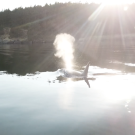
Drones can be powerful tools in gathering important health data about wildlife, including marine species like the Salish Sea’s endangered killer whales.